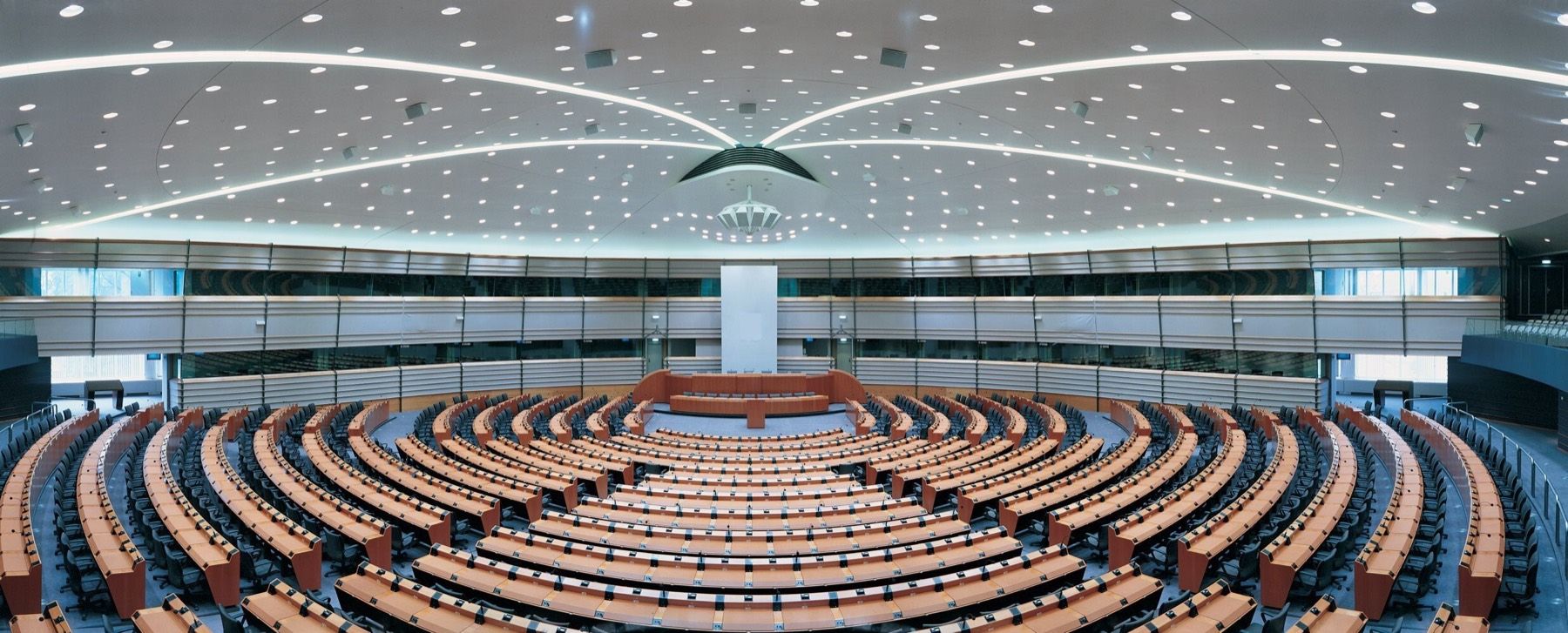
The members who represent the Muslims so that the Khaleefah can refer to them are the Majlis al-Ummah, and the members who represent the people of provinces (wilayaat) are majaalis ul-wilayaat (councils of provinces).. Non-Muslims are allowed to be members of the Majlis al-Ummah so that they can voice their complaints in respect to unjust acts performed by the rulers or the misapplication of the Islamic laws.
الأشـخـاص الذين يمثلون المسلمين في الرأي ليرجع إليهم الخليفة هم مجلس الأمة، والأشخاص الذين يمثلون أهل الولايات هم مجالس الولايات. ويجوز لغير المسلمين أن يكونوا في مجلس الأمة من أجل الشكوى من ظلم الحكام، أو من إساءة تطبيق أحكام الإسلام.
Members of the majlis ul-wilayah are directly elected by the people of that wilayah; and the number of members of the majaalis ul-wilayaat is decided according to the ratio of the population of the wilayah. The members of the majlis al-Umaah are directly elected by the majaalis ul-wilayaat. The beginning and the end of the term of Majlis Al-Ummah conforms with the beginning and the end of the term of majaalis ul-wilayaat.
يُنْـتَـخَـبُ أعضاء مجلس الولاية انتخاباً مباشراً من أهل الولايـة المعنيَّة، ويُحـدَّد عـدد أعضاء مجالس الولايات بنسبة عدد سكان كل ولاية في الدولة. ويُنتخب أعضاء مجلس الأمة انتخاباً مباشراً من قبل مجالس الولايات. ويكون بدءُ مدة مجلس الأمة وانتهاؤها هو نفسه بدءَ مدة مجالس الولايات وانتهاءها.
Every citizen of the State has the right to become a member of the Majlis al-Ummah and the Majlis al-Wilaayah, provided he or she is both mature and sane, whether he or she was a Muslim or a non-Muslim. However, membership to non-Muslims is confined to their voicing of complaints in respect to unjust acts performed by the rulers or the misapplication of Islam upon them.
لكل من يحمل التابعية إذا كان بالغاً عاقلاً الحق في أن يكون عضواً في مجلس الأمة وفي مجلس الولاية، رجلاً كان أو امرأة مسلماً كان أو غير مسلم، إلا أن عضوية غير المسلم قاصرة على إظهار الشكوى من ظلم الحكام، أو من إساءة تطبيق الإسلام.
Consultation (Shoora) and the mashoora are the seeking of views in absolute terms. These views are not binding in legislation, definitions, intellectual matters such as discovering the facts and the technical and scientific matters. However they are binding when the Khaleefah consults in other practical matters and actions that do not scrutiny or research.
الشورى والمشورة هي أخذ الرأي مطلقاً، وهي غير ملزمة في التشريع، والتعريف، والأمور الفكـرية ككشـف الحقائق، وفي الأمور الفنية والعلمية، وتكون مُلْزِمَةً عند استشارة الخليفة في كل ما هو من الأمور العملية، والأعمال التي لا تحتاج إلى بحث وإنعام نظر.
All citizens, Muslim or not, may express their views, but Shoora is a right confined for the Muslims only.
الشورى حق للمسلمين فحسب. ولا حق لغير المسلمين في الشورى، وأما إبداء الرأي فإنه يجوز لجميع أفراد الرعية مسلمين وغير مسلمين.
All issues that fall under the binding Shoora, when the Khaleefah seeks opinion, are decided on the basis of the majority opinion, irrespective of whether they are considered to be correct or not. In all other matters of Shoora, the correct opinion is sought, whether it is a majority or minority held view.
المسائل التي تكون فيها الشورى ملزمةً عند استشارة الخليفة يؤخذ فيها برأي الأكثرية بغض النظر عن كونه صواباً أو خطأ. أما ما عداها مما يدخل تحت الشورى غير الملزمة فيتحرى فيها عن الصواب بغض النظر عن الأكثرية أو الأقلية.
The Majlis al-Ummah is charged with five duties. They are:
1.
a. To be consulted by the Khaleefah or to advice him on the actions and practical matters that are related to the management of the internal affairs which do not need scrutiny or research, such as: affairs of ruling, education, health, and the economy, industry, farming and the like; and its opinion in that is binding.
b. However in the matters which require scrutiny and research and the technical matters, the financial, the military and the foreign policy, the Khaleefah has the right to refer to the Majlis for consultation and seeking an opinion; however the opinion of Majlis in such matters is not binding.
2. The Khaleefah may submit to the majlis the rules and laws he intends to adopt. Muslim members have the right to discuss them and show the validity and error of them . If they disagreed with the Khaleefah over the method of their adoption from the sources adopted by the state, then the decision over them is the right of Mahkamat ul-Madhalim, whose opinion over this matter is binding.
3. The Majlis has the right to account the Khaleefah regarding all the actions that the state has actually executed, whether they were of the domestic or foreign matters, or the finance or the army and the like. The view of the Majlis is binding wherever the majority opinion is binding and not binding wherever the majority opinion is not.If the Majlis disagreed with the Khaleefah over an action that was already executed, from shar’I aspect then it is referred to mahkamat ul-madhalim to decide whether the action was shar’I or not; and its opinion over this matter is binding.
4. The Majlis has the right to express dissatisfaction with the assistants, governors, and mayors; and in this matter the view of the Majlis is binding and the Khaleefah must discharge them at once. If the view of majlis ul-ummah differed from the majlis ul-wilayah in a specific province over content or discontent of its wali or aamils then the view of majlis ul-wilayah has the priority.
5. Its Muslim members have the right to short list the candidates standing for the position of Khaleefah, which Mahkamat ul-Mathalim approved they fulfil the contracting conditions; and the opinion of their majority is binding. Thus, election would not be valid except from those short listed by the majlis.
لمجلس الأمة صلاحيات خمس هي:
١ -
أ: استشارة الخليفة له وإشارته على الخليفة في الأعمال والأمور العملية المتعلقة برعاية الشؤون في السياسة الداخلية مما لا تحتاج إلى بحث فكري عميق وإنعام نظر مثل شئون الحكم، والتعليم، والصحة، والاقتصاد، والتجارة، والصناعة، والزراعة، وأمثالها، ويكون رأيه فيها ملزماً.
ب: أما الأمورُ الفكريةُ التي تحتاجُ إلى بحثٍ عميق وإنعامِ نظرٍ، والأمور التي تحتاج خبرة ودراية، والأمورُ الفنيةُ والعلميةُ، وكذلك المالية والجيش والسياسة الخارجية، فإن للخليفة أن يرجع للمجلس لاستشارته فيها والوقوف على رأيه، ورأي المجلس فيها غير ملزم.
۲ - للخليفة أن يحيل للمجلس الأحكام والقوانين التي يريد أن يتبناها، وللمسلمين من أعضائه حق مناقشتها وبيان وجه الصواب والخطأ فيها فإن اختلفوا مع الخليفة في طريقة التبني من الأصول الشرعية المتبناة في الدولة، فإن الفصل يرجع إلى محكمة المظالم، ورأي المحكمة في ذلك ملزم.
۳ - للمجلس الحق في محاسبة الخليفة على جميع الأعمال التي تحصل بالفعل في الدولة سواء أكانت من الأمور الداخلية أم الخارجية أم المالية أم الجيش أم غيرها، ورأي المجلس ملزم فيما كان رأي الأكثرية فيه ملزماً، وغير ملزم فيما كان رأي الأكثرية فيه غير ملزم. وإن اختلف المجلس مع الخليفة على عمل قد تم بالفعل من الناحية الشرعية فَيُرْجَعُ فيه إلى محكمة المظالم للبتّ فيه من حيث الشرعية وعدمها، ورأي المحكمة فيه ملزم.
٤ - للمجلس الحق في إظهار عدم الرضا من المعاونين والولاة والعمال ويكون رأيه في ذلك ملزماً، وعلى الخليفة عزلهم في الحال. وإذا تعارض رأي مجلس الأمة مع رأي مجلس الولاية المعنيَّة في الرضا أو الشكوى من الولاة والعمال فإن لرأي مجلس الولاية الأولوية في ذلك.
٥ - للمسلمين من أعضائه حق حصر المرشحين للخلافة من الذين قررت محكمة المظالم توفر شروط الانعقاد فيهم ورأي أكثريتهم في ذلك ملزم، فلا يصح الانتخاب إلا من الذين حصرهم المجلس.